Carlo Koch · 18 September 2026
Volunteer Fire Departments Shift Strategies to Handle Growing Emergency Loads
Volunteer fire departments across many regions now manage higher call volumes than in previous decades, and data from the National Fire Protection Association shows increases tied to severe weather events plus population shifts into rural zones. Those who've tracked response statistics note that departments in the United States handled over 1.3 million calls in recent years with volunteers comprising roughly 70 percent of the total workforce. Researchers at institutions like the University of Wisconsin have documented how climate patterns contribute to more frequent wildfires and floods, which in turn stretch existing crews thinner while recruitment lags behind attrition rates.
Recruitment and Retention Challenges
Departments address staffing gaps through targeted outreach that includes partnerships with local employers and community colleges. One program launched in several Midwestern states offers certification credits that count toward vocational degrees, and observers note this approach has lifted application numbers by 15 percent in participating counties since 2024. Retention efforts also incorporate flexible scheduling software that lets members log availability around full-time jobs, whereas older systems relied on manual phone trees that often led to missed responses. Figures from the National Volunteer Fire Council indicate that departments using digital coordination tools report faster assembly times during daytime incidents.
Technology Integration in Daily Operations
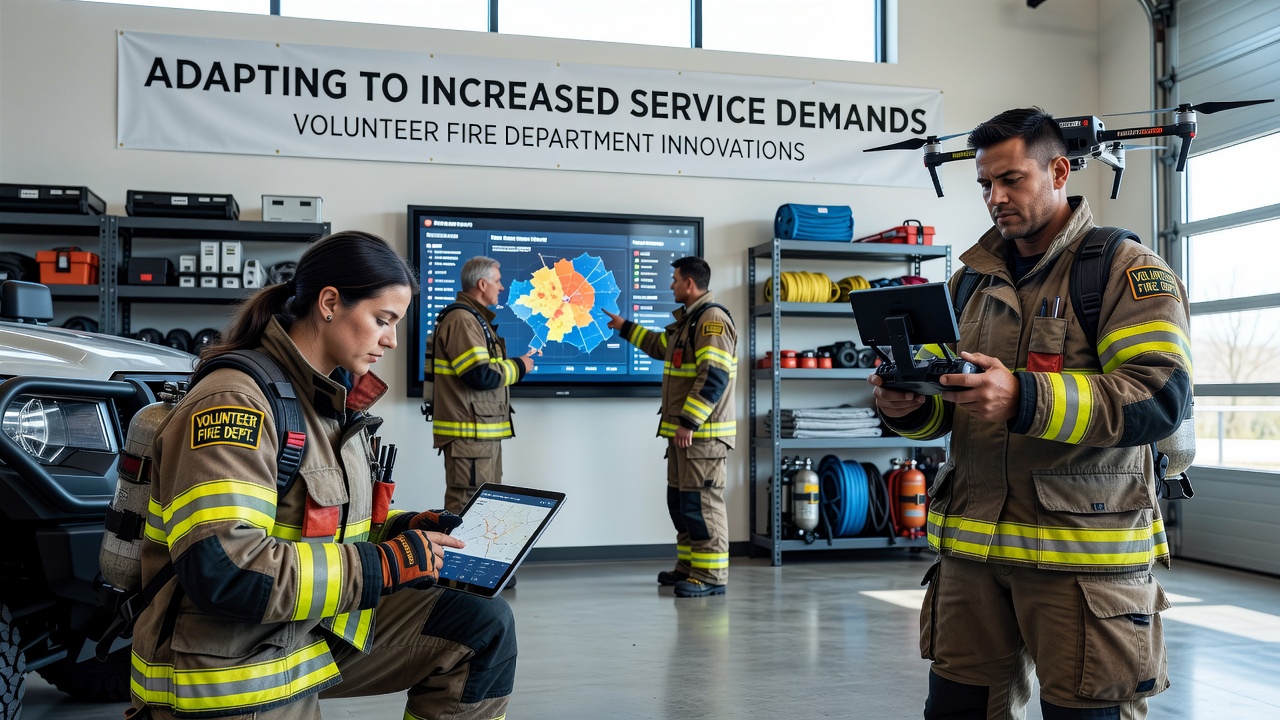
Many volunteer companies now deploy mobile apps that push real-time alerts and map-based routing directly to members' phones, and this replaces older pagers that sometimes failed in remote coverage areas. Data collected by the Federal Emergency Management Agency reveals that departments adopting these platforms cut average response times by several minutes in the first year of use. Training modules delivered through virtual reality headsets also allow crews to practice high-risk scenarios without tying up physical apparatus, while agencies in Canada have piloted similar systems with documented reductions in on-scene injuries. And because grant funding from the Assistance to Firefighters Grant program supports equipment purchases, smaller departments gain access to tools previously limited to larger paid organizations.
Regional Partnerships and Mutual Aid Agreements
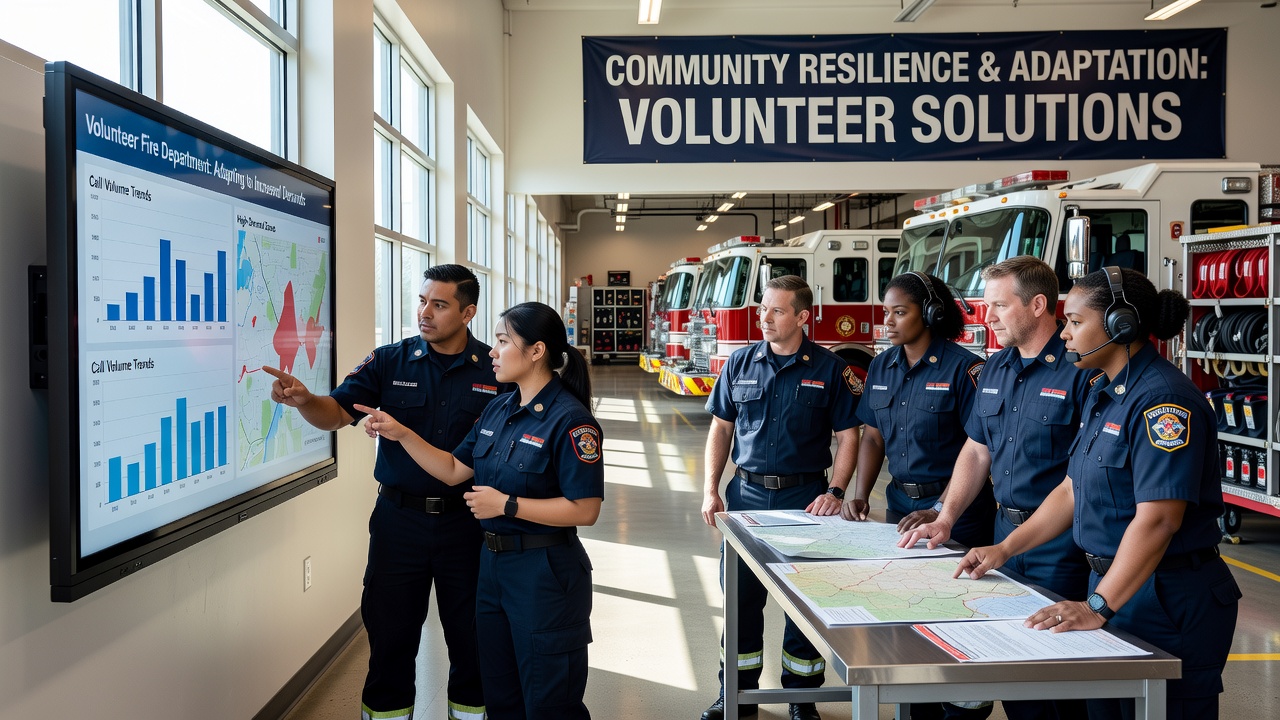
Inter-department agreements now extend beyond traditional county lines, and agencies in the Pacific Northwest have formed networks that share specialized equipment such as brush trucks and water tenders during peak fire seasons. A 2025 report compiled by the Australasian Fire and Emergency Service Authorities Council highlights similar cross-border arrangements in parts of Australia where volunteer brigades coordinate with state resources on prescribed burns. These collaborations reduce the strain on any single unit and allow smaller teams to maintain coverage while members attend extended incidents elsewhere. Observers note that joint exercises held each spring build familiarity with neighboring crews, which in turn speeds decision-making when actual emergencies occur.
Funding and Equipment Upgrades
Volunteer departments increasingly rely on a mix of local levies, state allocations, and federal grants to replace aging vehicles and protective gear. In September 2026 several counties in the Northeast plan to unveil new apparatus funded through the latest round of infrastructure legislation, and procurement records show these purchases include updated safety features like automatic tire chains and integrated communications systems. European Union structural funds have likewise supported upgrades in rural districts of member states where volunteer services form the backbone of initial response. Those monitoring budget trends point out that departments with diversified revenue streams maintain higher operational readiness scores according to internal audits.
Training Standards and Certification Pathways
Updated national standards require more hours of annual instruction for both new and veteran volunteers, yet departments meet these benchmarks by offering weekend academies and online refresher courses. Research published by the International Association of Fire Chiefs indicates that structured progression tracks from basic firefighter to officer levels improve retention among younger recruits who seek clear advancement opportunities. In practice this means members complete modules on hazardous materials and medical response that align with requirements for paid positions, creating pathways for those who later transition to full-time careers. And because many programs now accept prior military experience for partial credit, departments attract veterans who already possess discipline and leadership skills.
Conclusion
Volunteer fire services continue to evolve their operational models in response to measurable increases in service demands, drawing on technology, partnerships, and revised training protocols to sustain coverage. Reports from multiple agencies confirm that these adaptations produce measurable gains in response efficiency and member safety across diverse geographic settings. Continued investment in recruitment pipelines and equipment modernization will determine how effectively departments manage future workload pressures.