Eden Koch · 2 October 2026
Manufacturing Gains Spur Local Training Programs for Sparkwell Workers
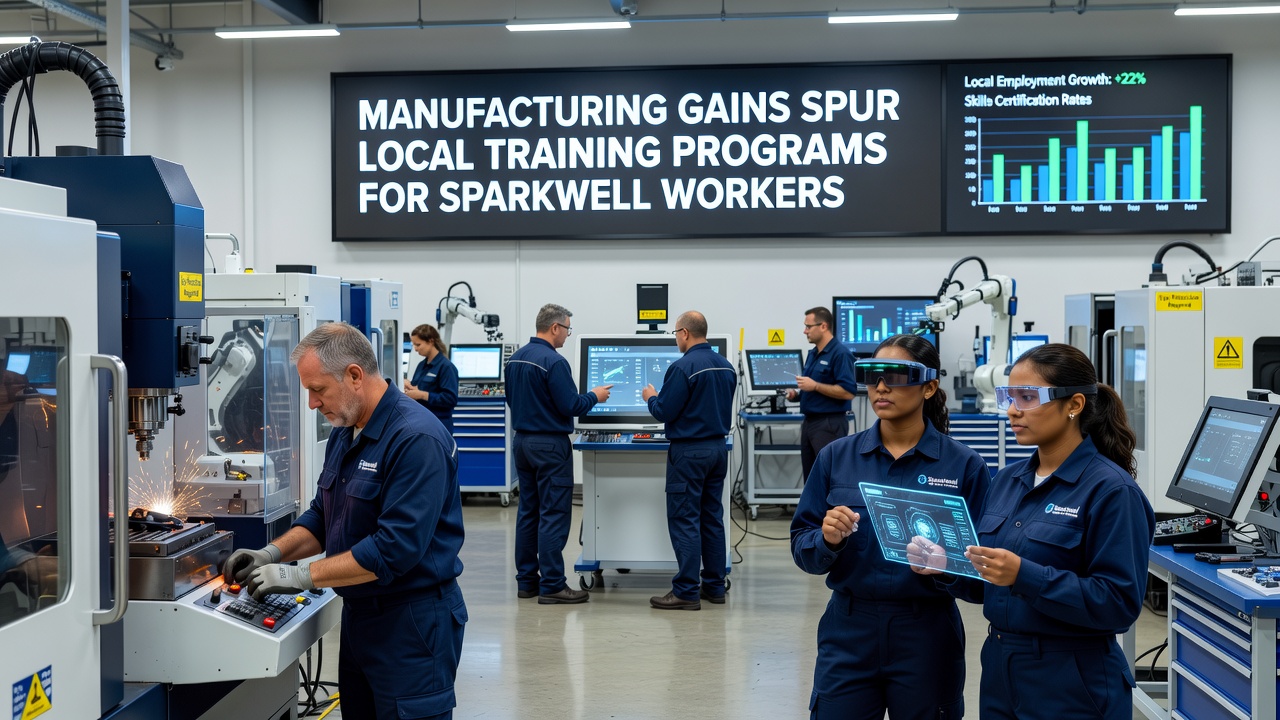
Manufacturing output in the Sparkwell region has climbed steadily since early 2025, and those figures have triggered a wave of new training initiatives aimed at local workers who want to fill the expanding roles, according to data from the US Bureau of Labor Statistics. Employment in the sector rose 7 percent over the previous twelve months, while new facility openings and equipment upgrades created demand for specialized skills that existing programs could not meet fast enough. Local community colleges and workforce boards responded by launching accelerated courses in CNC machining, industrial maintenance, and automated systems operation, with classes scheduled to begin rolling out in October 2026.
Employers reported that many applicants lacked the technical credentials required for the higher-paying positions now available, so partnerships formed between factories and training providers to close the gap. One study from the National Association of Manufacturers showed that regions experiencing similar output growth often see training enrollment increase by 25 to 30 percent within the first year after major expansions. Sparkwell followed that pattern when three plants announced combined investments exceeding $180 million, each citing workforce readiness as a key factor in site selection decisions.
Program Structure and Delivery
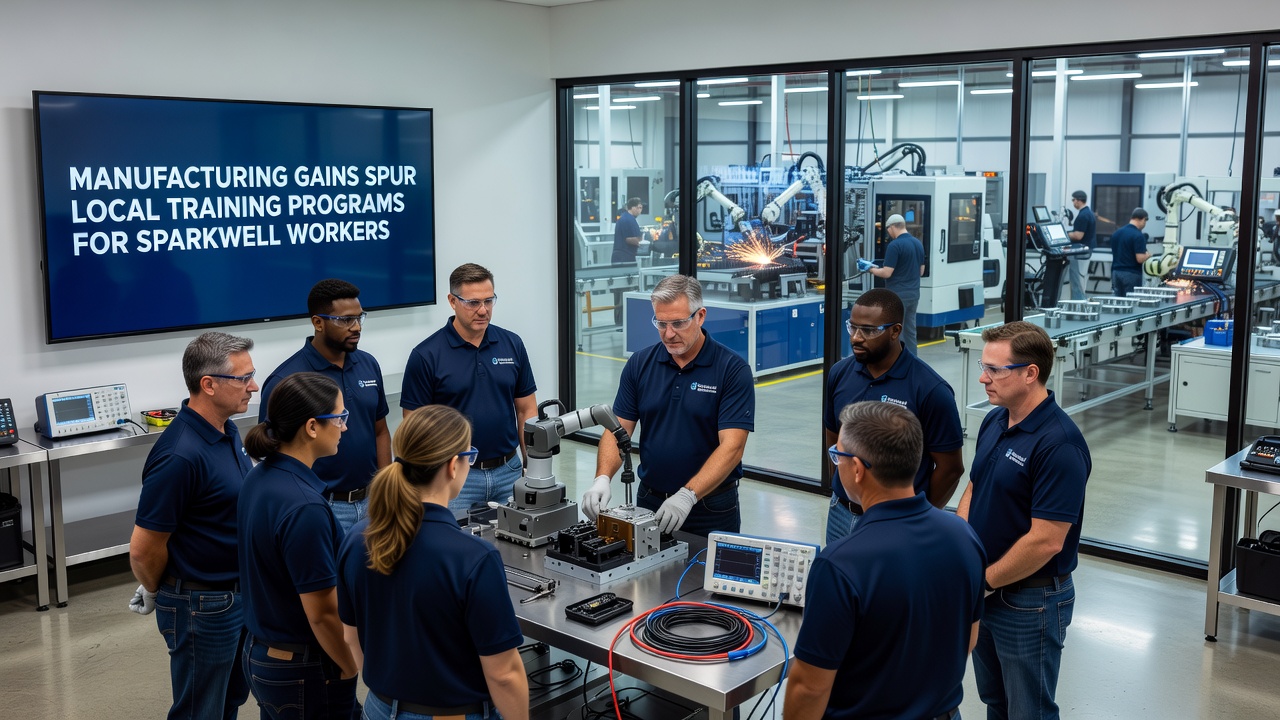
Classes combine classroom instruction with paid apprenticeships that last between twelve and eighteen weeks, depending on the trade. Participants receive stipends funded through a combination of state grants and employer contributions, while instructors draw from both academic faculty and experienced technicians borrowed from participating companies. Curriculum updates occur quarterly to match changes in equipment and production methods, which keeps the material aligned with what factories actually need on the floor.
Evening and weekend sessions accommodate workers already holding jobs, and online modules cover safety regulations plus basic electrical theory before students move into the shop environment. Completion rates have reached 82 percent in the first cohorts, with 91 percent of graduates receiving job offers from the partner manufacturers within thirty days of finishing. Those numbers come from internal tracking reports shared by the Sparkwell Workforce Development Board.
Regional Economic Context
Sparkwell sits at the intersection of several supply chains that serve automotive, aerospace, and heavy equipment sectors, so gains in any one area quickly ripple outward. Export numbers for locally produced components rose 14 percent in the second quarter of 2026, according to trade data released by the US International Trade Administration. That increase translated into overtime hours at existing plants and the need for additional shifts, both of which required more trained operators and technicians than the previous labor pool could supply.
Officials from the Economic Development Administration noted that communities with proactive training responses tend to retain a larger share of new manufacturing investment compared with areas that rely solely on recruiting workers from outside the region. Sparkwell adopted this approach after reviewing case studies from similar mid-sized cities in the Midwest and Southeast, where coordinated programs helped stabilize employment even during slower economic periods.
Employer and Worker Perspectives
Factory managers described the training pipeline as essential for meeting production targets without extending lead times. One plant reported cutting onboarding time from nine weeks to five weeks after adopting the standardized curriculum developed with the local technical college. Workers who completed the programs cited access to higher wages and clearer advancement paths as primary motivations, with average starting pay for certified machinists listed at $28.50 per hour plus benefits.
Enrollment data indicates strong interest from both recent high-school graduates and mid-career employees seeking to shift from declining sectors. The Sparkwell Adult Education Center added a dedicated manufacturing track after registration numbers exceeded projections by 40 percent in the spring of 2026. Support services such as childcare vouchers and transportation assistance were included in the program design to reduce barriers for participants balancing multiple responsibilities.
Future Outlook
Projections from the Bureau of Labor Statistics indicate continued demand for industrial maintenance roles through 2032, driven by automation upgrades and the need to replace retiring workers. Sparkwell training providers have begun planning additional certification tracks in robotics programming and quality assurance to stay ahead of those trends. State funding allocations for the next fiscal year include provisions for equipment refreshes at participating colleges, ensuring the programs can scale if output growth accelerates further.
Conclusion
The connection between manufacturing expansion and targeted training has produced measurable results in Sparkwell, with enrollment, completion, and placement figures tracking closely to national benchmarks for similar initiatives. Ongoing monitoring by workforce boards and employer partners will determine whether the current model sustains long-term employment gains as production levels continue to shift.